The One Big Camera Rig Gift: 8 Big-Ticket Items Matched to How They Shoot
Short answer
For a shooter who moves with the subject, the one big gift is the DJI RS 4 gimbal, rated for 3 kg. For a shooter who records dialogue, it is the Sound Devices MixPre-3 II field recorder. For one who lights scenes, the Aputure Amaran 300c. The rest of this page is working out which of those three describes the recipient.
A big camera rig gift is one decision, not twenty. There are eight items on this page and each one is the answer for a specific kind of shooter: the one who moves with the subject, the one whose work is dialogue, the one who lights scenes, the one who works with a crew. The work is figuring out which shooter you have, and the sections below ask the questions in the order that narrows it fastest. If you already know, the DJI RS 4 is the answer for movement, the Sound Devices MixPre-3 II for dialogue and the Aputure Amaran 300c RGB COB for light.
Every product link on this page is an affiliate link. We earn a commission if you buy, at no extra cost to you, and it does not change what is on the list. Full statement on the affiliate disclosure page.
Which kind of shooter are you buying for?
Four questions, in order. Do they move with the subject or lock the camera off? A run-and-gun shooter wants the gimbal; a studio or interview shooter wants the fluid head, and the gimbal versus shoulder rig comparison explains why a shooter who moves might want neither. Does their work depend on dialogue? Interviews, documentary, corporate and narrative all do, and for those the recorder or the microphone beats any camera accessory. Do they light scenes? A shooter who keys an interview or a product shot wants the COB light; one who shoots available light does not. Do they work with anyone else on set? A director, a client or a focus puller who needs to see the frame is what the wireless video link is for.
Behind the first question is a number: what the recipient's camera weighs with the lens and monitor they actually use. The gimbal payload calculator adds it up, the rig weight calculator totals a full build, and the payload chart lists every gimbal's rating side by side. Get that number before buying either gimbal below.
| Gift | Right for | Check before buying |
|---|---|---|
| DJI RS 4 | Moves with the subject, mirrorless rig under 3 kg | Run the payload calculator with their lens. |
| DJI RS 4 Pro Combo | Moves with the subject, cinema body or rig over 3 kg | Rated 4.5 kg. Combo includes focus motor and transmitter. |
| Sound Devices MixPre-3 II | Records dialogue into the camera today | Needs XLR microphones. |
| Rode NTG5 Kit | Already records to a proper input, needs the mic | Needs a recorder or a camera with XLR. |
| Rode Wireless PRO | Solo interviews, vlogs, walk-and-talks | Check they do not already own a GO II set. |
| Benro Video Tripod with S6 PRO Fluid Head | Locked-off interviews, studio, product | Rated for a loaded mirrorless rig. Check their rig weight. |
| Aputure Amaran 300c RGB COB | Lights interviews and scenes | Bowens mount. Needs a stand and a modifier. |
| Hollyland Pyro S | Works with a director, client or focus puller | Needs a monitor at the receiving end. |
For a shooter who moves with the subject: two gimbals
The DJI RS 4 is the default, and it is the gimbal this site recommends to most mirrorless shooters. Rated for 3 kg, it carries a body, a fast zoom and a small monitor with headroom to spare, and the second-generation axis locks and teflon tilt arm mean a lens swap on location is a thirty-second rebalance rather than a five-minute one. The gimbals roundup ranks it against the field, and the balancing guide is the page to print and put in the box, because the first balance is where most new gimbal owners give up.
The DJI RS 4 Pro Combo is the same decision at the next weight class. Rated for 4.5 kg with a carbon axis arm, it is for a cinema body, or a mirrorless rig with a matte box and a monitor hanging off it, and the combo adds the focus motor and the image transmitter that narrative operators end up configured with anyway. It is the wrong gift for a rig under 2 kg, because the extra motor mass is carried all day for nothing. The run and gun working build is the kit around the RS 4, and the narrative working build is the kit around the Pro.
For a shooter whose work is dialogue: the recorder, the microphone, the lav set
The order is recorder first, then microphone, and the reason is the camera. Most mirrorless bodies record audio through a 3.5 mm input with a preamp that is the weakest link on the rig, and no microphone can fix that. The Sound Devices MixPre-3 II replaces it with three preamps and 32-bit float recording, which means there is no gain to set and no take that can clip; a whisper and a shout on the same line are both recovered cleanly. It outlasts every camera it is paired with. The audio for video guide lays out the whole chain, and the field recorders roundup covers the cheaper Zoom F3 for a solo shooter.
The Rode NTG5 Kit is the microphone for a shooter who already records to a proper input and booms dialogue: short and light enough to hold up all day, with the blimp and pistol grip in the kit. The Rode Wireless PRO is the alternative for a solo interviewer or a walk-and-talk, with 32-bit float backup recording inside each transmitter so a radio dropout no longer loses the line. The boom versus lavalier comparison settles which suits the recipient's work, and the wireless microphone roundup compares the Pro with the cheaper GO III.

DJI
DJI RS 4
For a shooter who follows the subject: documentary, events, social. Rated 3 kg, which is a mirrorless body with a zoom and a small monitor, with axis locks that make a lens swap a thirty-second job. The gimbal most mirrorless shooters should own.
Check price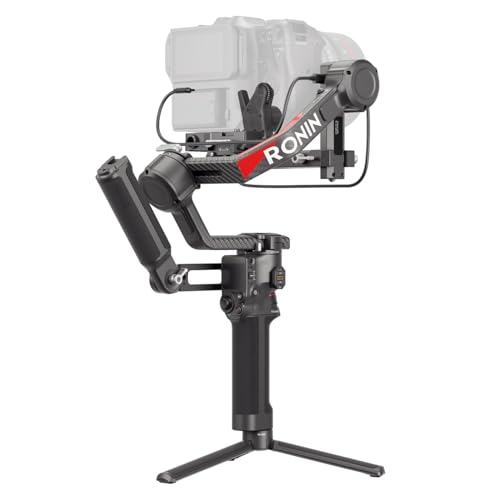
DJI
DJI RS 4 Pro Combo
For a narrative shooter whose rig is over 3 kg: a cinema body, a matte box, a monitor. Rated 4.5 kg, and the combo adds the focus motor and image transmitter that operators end up buying anyway.
Check price
S
Sound Devices MixPre-3 II
For anyone whose work lives or dies on the words. Three preamps, 32-bit float so nothing clips, timecode built in. It fixes the failure that ruins more footage than any other, and it outlasts every camera it is paired with.
Check price
Rode
Rode NTG5 Kit
For a shooter who already records to a proper input and needs the microphone to match. Short, light enough to boom all day, and the kit includes the blimp. Pairs with the recorder above or a camera with XLR.
Check price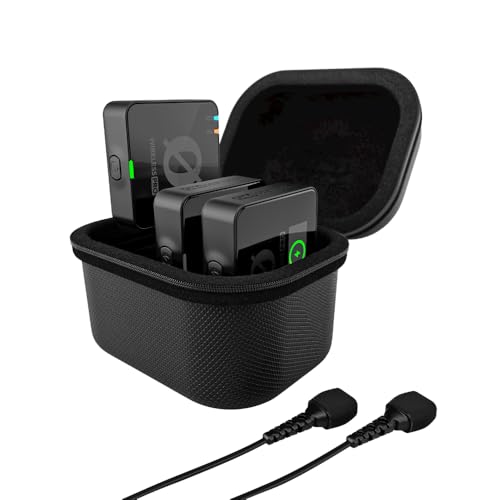
Rode
Rode Wireless PRO
For a solo shooter doing interviews, vlogs or walk-and-talks. Two transmitters with 32-bit float backup recording inside each one, so a radio dropout no longer loses the line, and timecode to sync it all later.
Check priceFor a shooter who locks the camera off: the fluid head
A studio, interview or product shooter never moves the camera during a take, and a gimbal is the wrong gift for them. What they are usually missing is a real fluid head: a photo tripod with a ball head cannot start a pan smoothly or hold a loaded rig level, and the Benro Video Tripod with S6 PRO Fluid Head is a head rated for a loaded mirrorless rig on legs that do not flex when the pan begins. The fluid heads roundup and the tripod and fluid head guide explain the counterbalance and drag figures that matter, and the rig weight calculator confirms the recipient's rig is inside the head's rating.
For a shooter who lights, and one who works with a crew
The Aputure Amaran 300c RGB COB is the light for a shooter who has been keying interviews with one small panel: a 300 W RGB point source on a Bowens mount, so every softbox, lantern and grid the recipient owns or will buy fits it, and enough output to key through a window. It needs a stand rated for its weight and a modifier to be usable, so the C-stands roundup and the three-point lighting guide are the pages that go with it. The COB lights roundup ranks the field.
The Hollyland Pyro S is for the shooter who works with anyone else on set. A director, a client or a focus puller who needs to see the frame gets it on a monitor across the room with no cable across the floor, which is the thing that trips someone on every set that does not have one. It needs a monitor at the receiving end, and the monitors roundup and wireless video roundup cover both ends. The narrative set workflow is where this gift makes sense, and the media workflow guide is the next thing a crew shooter needs.

Benro
Benro Video Tripod with S6 PRO Fluid Head
For the interview, product or studio shooter who never moves the camera during a take and is still using a photo tripod. A fluid head rated for a loaded mirrorless rig, on legs that do not flex when the pan starts.
Check price
Aputure
Aputure Amaran 300c RGB COB
For a shooter who lights scenes and has been working with one small panel. A 300 W RGB point source on a Bowens mount, so every softbox and lantern fits, and enough output to key through a window.
Check price
Hollyland
Hollyland Pyro S
For anyone who works with a director, a client or a focus puller who needs to see the frame. Wireless video from the camera to a monitor across the room, with no cable across the floor.
Check priceWhat to put in the box with it
A gimbal wants a 200 g counterweight and a NATO top handle, because the first balance problem arrives on day one. A recorder wants two XLR cables and an NP-F battery kit. A light wants four sandbags and a softbox. A wireless video link wants a monitor at the far end if they do not own one. Every one of those is under $50 and on the under $50 gift list, and the full gift guide carries the mid-tier upgrades, the SSD, the case and the monitor, for the recipient who already has the big item.
Next, from here
- Gifts for videographers
Twenty-five ideas from the big gift down.
- Videographer gifts under $50
What goes in the box with the big one.
- Gimbal payload calculator
Run it before you buy either gimbal.
- Best cinema cameras
If the answer really is a camera.
Common questions
- What is the single best big gift for a videographer?
- For a shooter who moves with the subject, the DJI RS 4 gimbal. For one who records dialogue, the Sound Devices MixPre-3 II. For one who lights scenes, the Aputure Amaran 300c. There is no single answer because the two workflows on this site share almost nothing, and the fastest way to choose is to ask what already goes wrong on their shoots: a shaky walk, clipped audio or a flat-lit interview each point at a different item.
- How do I know which gimbal payload the recipient needs?
- Add up the camera body, the heaviest lens they use, and a monitor if one lives on the rig. Under about 2.2 kg, the DJI RS 4 at 3 kg rated is the pick with comfortable headroom. Over that, or for any cinema body, the RS 4 Pro at 4.5 kg. The gimbal payload calculator on this site does the arithmetic from the body and lens names, and the payload chart lists the ratings side by side.
- Should the big gift be a camera instead?
- Rarely. A camera body is the one purchase a videographer has strong opinions about, it locks in a lens mount and a workflow, and it is the item most likely to be returned. Every gift on this page works with the camera they already own and makes it better. If the recipient genuinely needs a camera, the cinema cameras roundup and the by-camera rig pages on this site are where to start, and the honest move is to ask.
- Is a field recorder really a bigger gift than a microphone?
- For a shooter recording into the camera, yes. The camera preamps are the weakest link, and a 32-bit float recorder removes the clipping failure entirely regardless of which microphone is plugged in. A better microphone into a camera input is still limited by that input. The order is recorder first, then microphone, and the audio for video guide on this site explains the whole chain.
- What should go in the box with a big camera rig gift?
- For a gimbal, a 200 g counterweight and a NATO top handle. For a recorder, two XLR cables and an NP-F battery kit. For a light, four sandbags and a softbox. For a tripod, nothing, it is complete. For a wireless video link, a monitor at the receiving end if they do not own one. Each of those additions is under $50 and turns the big gift into something that works on the day.
Totalling your own rig weight against your gimbal payload? The Camera Rig Build Planner is the paid version of these pages: 8 printable worksheets you fill in with your own numbers, plus the full PDF, $29.